

RIP Marjane Satrapi
"Life is too short to live badly."

Howdy, friend.
We lost a titan of the comics world this week.
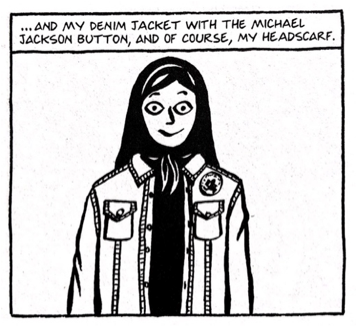
There are very few books I can point to and say, with complete confidence, that they changed the trajectory of my life. Persepolis did twice. That’s probably why the news of Marjane Satrapi’s death hit me so hard this week.
The first time Persepolis changed my life, I was fresh out of graduate school and completely, absolutely adrift. A friend recommended it to me. I was hesitant; I’d largely abandoned comics by then and had no idea what the medium had become while I was away.
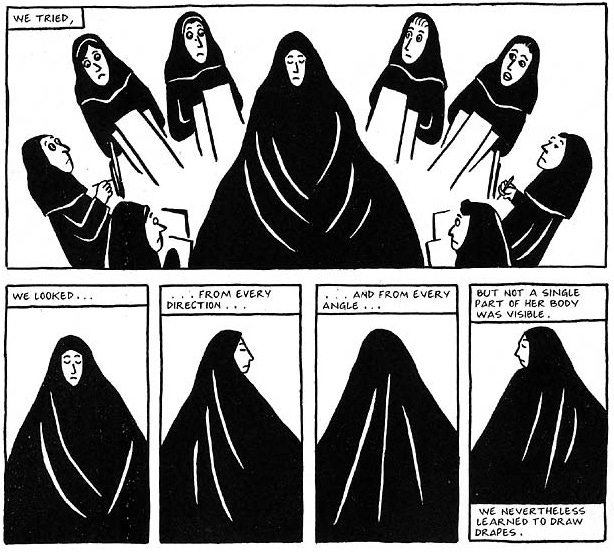
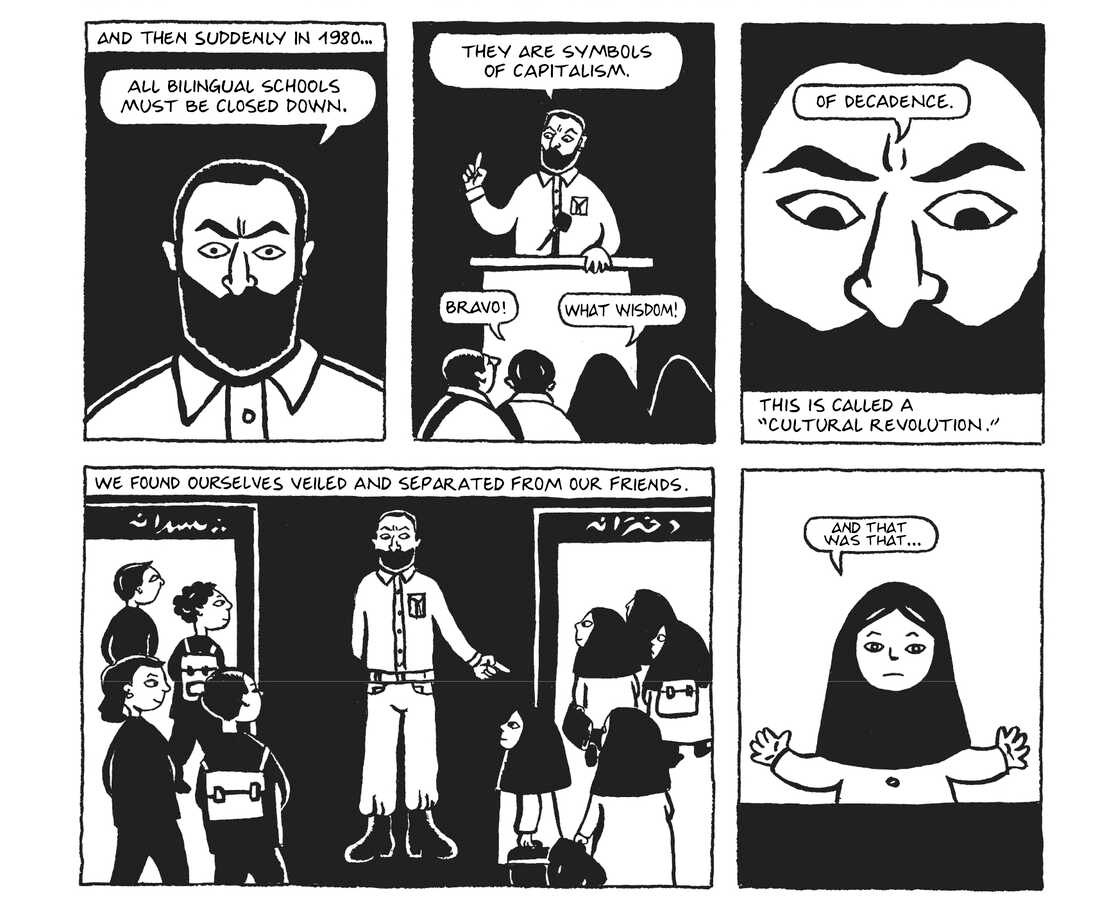
I read it and was stunned. If you haven’t read it—and you should—Persepolis follows Satrapi’s childhood during and after the Iranian Revolution, her years in Europe, and her eventual return to Iran. It’s tender, difficult, angry, and incredibly funny.
My life looked nothing like Satrapi’s. It didn’t matter. The book unlocked something in me: I could write about my own experiences? Like this?
At that point, I was still years away from rediscovering my love of drawing and comics, but Persepolis fundamentally changed how I thought about writing. I still think about a quote of Satrapi’s:
“The second you make a script out of the story of your life, it becomes fictional. Of course, the truth is never far. But the story is created out of it.”
That idea hit me like a truck. Persepolis gave me permission to stop writing around my life and start writing about it. To stop treating my experiences as things to hide and instead treat them as material. To take ownership of my own story in whatever form it needed to be. I could bare myself on the page, or I could translate my truths in fiction. Either way, it emboldened me and my work.
The second time Persepolis changed my life, years later. My writing had stalled. I’d been writing essays about my life for a while by then, but they felt surface-level. I wanted to go deeper—to write about my body dysmorphia, my fears and traumas, the things I kept locked away—but I was scared. Too tethered to what other people might think.
Around that same time, I started drawing again. Not doodling in the margins of work memos, but actually drawing, spending time with it, trying to find my way back into the practice. And I kept returning to Persepolis. The simplicity of it. The humanity on every page. The way Satrapi could hold enormous emotional weight with just a few lines.
Something clicked. Writing about my most personal experiences in prose felt overwhelming, too exposed. Comics, though, created a strange and useful distance: I wasn’t just writing about myself, I was drawing a version of Rob who could carry those experiences for me.
That realization eventually led me toward my own graphic memoir, which openly wears Satrapi’s influence.
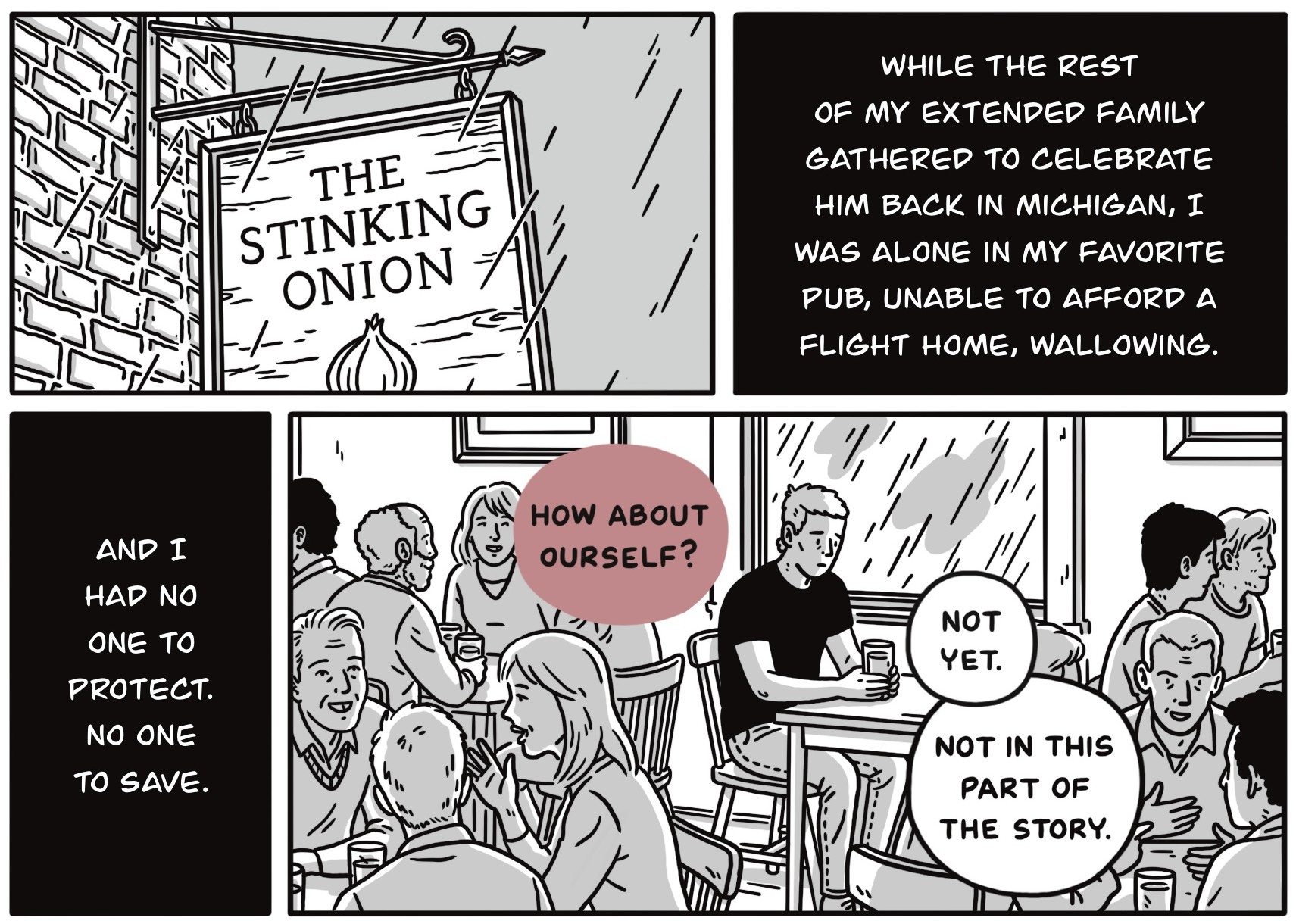
It’s impossible to overstate what Persepolis did for comics. It expanded what the medium could talk about, who got to tell those stories, and how personal history could intersect with political history. It remains one of the defining works of graphic memoir and one of the most important comics ever created.
And for me, it remains one of the most important books I’ve ever read.
Rest in peace, Marjane Satrapi. ♡

She was also a pivotal force in me coming to comics. Thanks for this thoughtful reflection about Marjane.
Sigh. She was a great one, and redefined how to write a memoir. Drawings can comment on writing, and vice versa. It’s a voice multiplier. And I love how my own drawings mock the man who made them. I deserve it, both barrels. Thank you for that, drawing hand!